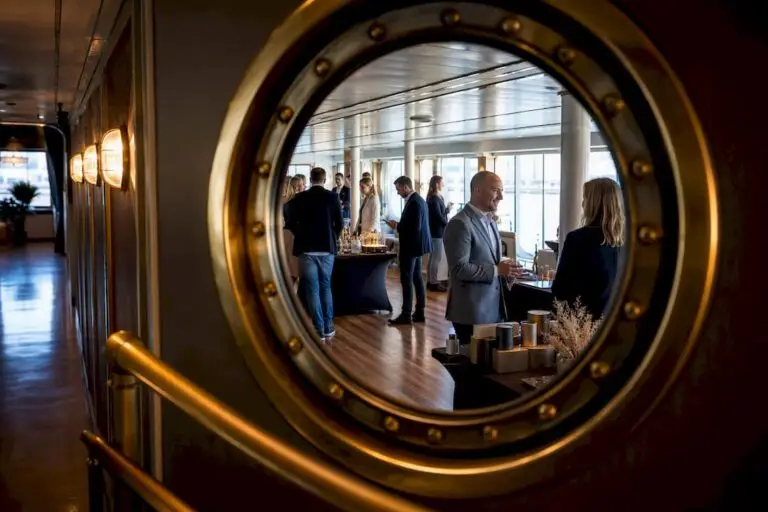
Yes, you can organize an event on the water, but that can almost never be done without a permit. You almost always need an event permit from the municipality, and as soon as you get into shipping, an environmental permit comes into play via the Environmental Office Yes. A comprehensive safety plan and timely coordination with the waterway operator are not just nice-to-have extras, but the core of your application. At Eivissa-events, we see that those who request these three points are usually approved for their event smoothly.
In short:
- For an event on the water, a permit from the municipality is usually required, and possibly an additional environmental permit, depending on the water region and duration.
- A complete permit dossier with a location plan, safety plan and technical rider must be prepared from the first week to avoid delays and refusals.
- Uncoordinated communication, insufficient attention to safety regulations or insufficient preparation for logistical details often lead to delays and high costs.
- The safety plan must include clear procedures for evacuations, fire safety, water intake and man-over-board, tailored to the type of event and the number of visitors.
- Preventing noise nuisance, booking in advance and accurately estimating security costs are essential to avoid fines, disputes and last-minute problems.
Table of contents
- What types of events on the water exist?
- What permits and notifications do you need?
- What should be included as a mandatory part of your safety plan?
- How do you manage the logistics of in- and out-loading?
- What does an event on the water cost and how much time does the preparation take?
- How Eivissa-events completely takes the hassle out of organizing your event on the water
- Three mistakes that we regularly see happen at Eivissa-events
- Sources
What types of events on the water exist?
Not every event on the water falls under the same rules, and that difference immediately determines how much work your application will require. A boating event, such as a canal cruise with a small group of people, requires coordination with the shipping industry and the crew on board. An event on land, such as a party on a moored ship, often has less impact on regular traffic, but still requires a use permit.
Swimming events and triathlons form a separate category. This is accompanied by water quality as an additional assessment criterion, in addition to the usual safety requirements. Public events with a parade or performances attract different stakeholders than a private boat trip or wedding ceremony on the water, simply because the municipality takes a stricter approach to crowd control and noise when dealing with a larger audience.
Do you recognize yourself in one of these situations?
- Sailboat party: focus on maritime safety and crew certification.
- Event on the waterfront: Emphasis on fire safety and escape routes.
- Swimming event or triathlonWater quality control is mandatory.
- Public festival with performances: extra security, noise standards and communication with the neighbors.
- Private party or product launch on the water: Smaller-scale process, but still subject to licensing requirements.
Once you know what category you fall into, the approval process becomes much more concrete.
What permits and notifications do you need?
The permit check via the Environmental Permit System is your starting point for any event on the water. This system automatically determines whether only the municipality is competent, or whether the water board, the province, or even the federal government should also be involved. For large rivers or lakes, the federal government may be competent based on the Environmental Activities Decision, and in that case coordination through the Environmental Permit System is not a formality but a necessity.
Pro tip: From the first week, create a complete permit dossier, including a location plan, technical rider and safety plan in one complete package. Incomplete applications are the most common reason for delays.
The registration period depends directly on the duration of the nuisance caused by your event:
- Maximum four hours of disruption: expect something like that 3 weeks application deadline.
- One day, or regular recurring nuisance: keep it 8 weeks on.
- More than one day: 16 weeks is the directive.
- More than one month of disruption: expect it 30 weeks preparation time.
These deadlines come from the official guidelines of the Entrepreneurs’ Square and apply as an absolute minimum, not as a target date.
In addition to these deadlines, local policy rules specific to ships often apply. For example, there may be mandatory Certificate of research for the ship, a use permit and a notification to the GHOR when you expect an audience on board. The STOWA hand guide Furthermore, emphasizes that you remain ultimately responsible as the initiator, even if you outsource parts of the process. Early consultation with the municipality and the water management board prevents you from having to involve an additional entity halfway through the process.
What should be included as a mandatory part of your safety plan?
A safety plan is not a formality that you fill out afterwards. Without a proper plan, you simply won’t be granted a permit for an event on a ship. The permit authority specifically checks a number of hard-to-check elements.
- Procedures in the event of a leak or water ingress, including who leaves the ship and in what order.
- A fire safety procedure with flight routes that are free of decor, technology or furniture.
- An evacuation plan that takes into account the number of guests and the layout of the ship.
- A man-over-board procedure with clear roles for the crew and security.
- First aid capacity that is adjusted to the expected number of visitors.
Local policy rules often require a minimum ratio between security guards and the number of visitors, and organizers regularly underestimate this cost item. Therefore, calculate this early, not when the quotes come in.
Pro tip: Prioritize the communication line between the skipper, event manager, and security personnel in advance. In the event of an incident, there is no time to assign roles on-site.
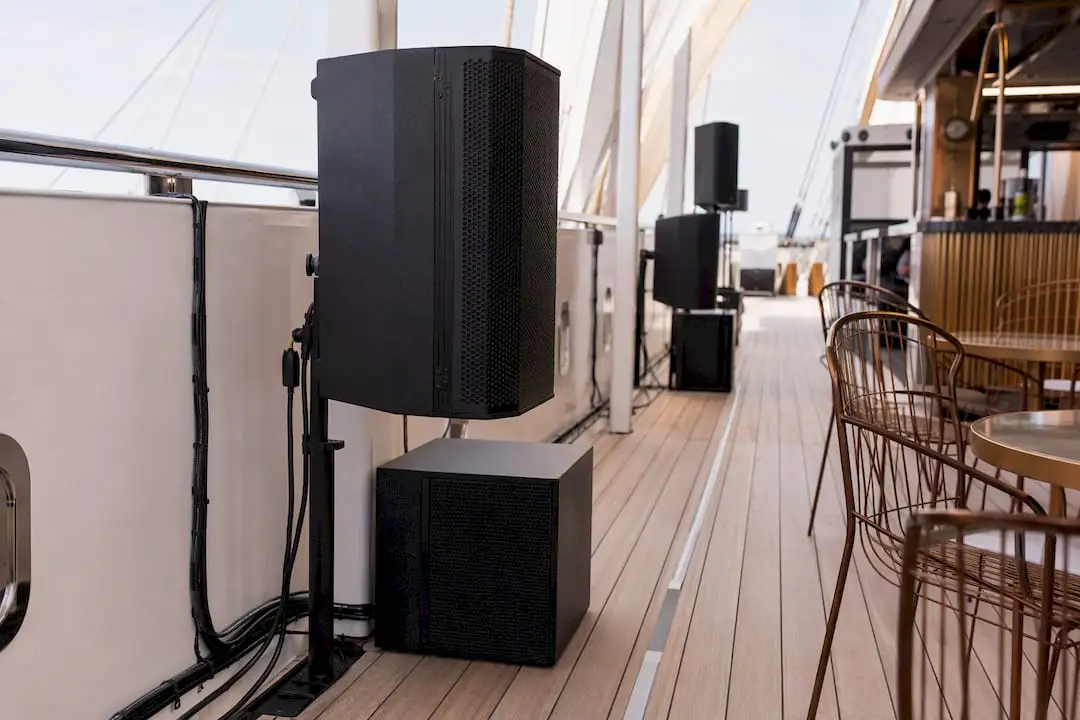
Technology also deserves attention in the plan: generators must meet noise standards, and flight routes must never be blocked by cables or decor. In practice, the same local regulations often lead to organizers investing in directional speakers or quieter generators to stay within the norm.
How do you manage the logistics of in- and out-loading?
Anyone who contacts the harbor master too late risks having their date already booked by professional shipping or another event. Early consultation with the Port master and Traffic Coordination Point prevents serious delays or even rejection of your application.
For events on provincial waterways, the province usually requires a shipping information plan, in which you describe how you inform other boaters about your navigation. In addition, these practical aspects play a role:
- Enter the hall and clear away with clear passenger flows, supported by stewards and security at the escalator.
- Make arrangements in advance regarding waste handling and fuel management on board.
- Record mooring arrangements in writing, including times of arrival and departure.
- Vote for technical riders Performances No more the skipper or the sound engineer.
- Ensure continuous contact between your event team and the skipper, even during the event itself.
This adjustment prevents a small logistical detail, such as an incorrectly estimated installation time, from throwing your entire planning off course.
What does an event on the water cost and how much time does the preparation take?
The most important cost items are often predictable once you know what to look out for. Think of fees at the municipality or province, the skipper and crew, security, first aid, sound and light technology, post-cleaning, and the berth itself.
- Fees and application costs at the municipality, province or water board.
- Security and first aid, adjusted to the expected number of visitors.
- Skipper, crew and any certification of the ship.
- Technology for sound, light and presentations.
- Cleaning after the end of the stay and the rental of the berth.
Provinces and water boards often work with fixed tariff schedules and processing times, But only if your application is complete. An incomplete application often costs you more time in practice than money, because delays push back your down payments and supplier contracts.
Never skimp on security, first aid or the safety plan to meet a deadline. That is exactly the kind of savings that will cause an application for a permit to fail.
How Eivissa-events completely takes the hassle out of organizing your event on the water
Organizing an event on the water means juggling permits, safety requirements, and logistical puzzles, unless you hand that burden over to an experienced party. Eivissa-events offers a complete event location on a ship, including catering, technology for presentations and performances, entertainment, and custom-made decor, so you can focus on the purpose of your event instead of the execution.
We actively contribute to the permit dossier and the safety plan, from providing the correct documents to coordinating with the port master and waterway manager, as shown in the following photos: Doom Scroll Amsterdam event platform. For a quote, we mainly need three things from you: the desired number of guests, the date, and the type of event, whether it is a business or private event. company party, a private party or a product launch on the water.
See the possibilities on the page for the renting of an event venue and request a quote without obligation. If you would rather organize a business event, check out our Business event location for the possibilities per business goal.
Three mistakes that we regularly see happen at Eivissa-events
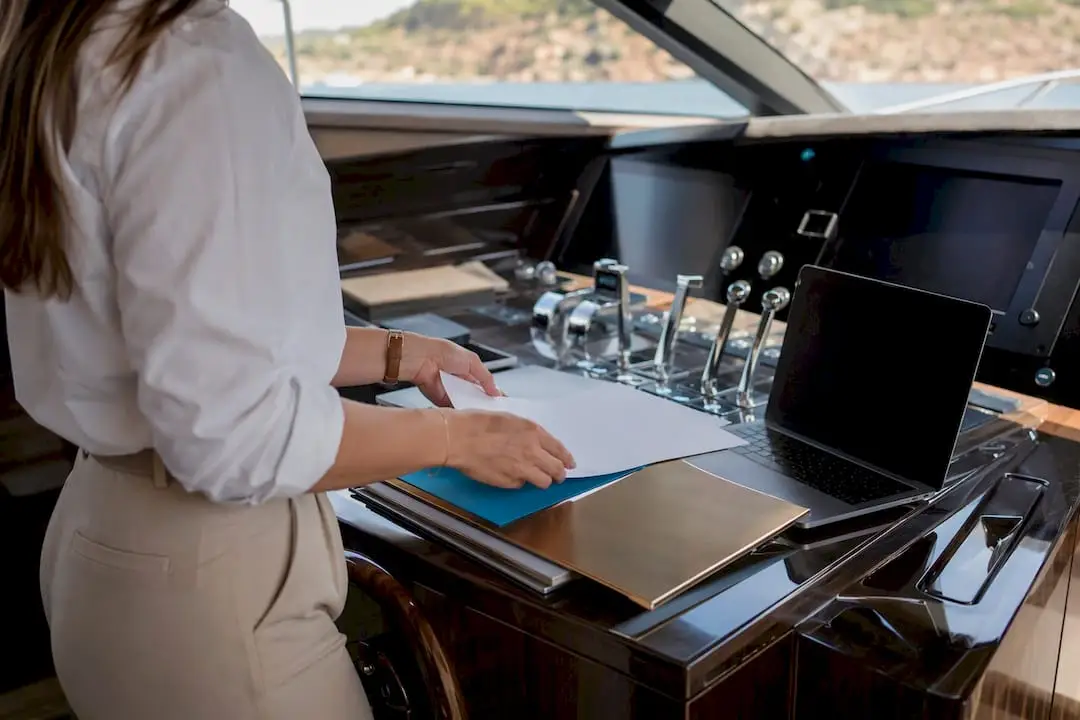
The most costly mistake is applying for a permit too late. Anyone who starts only eight weeks in advance when their event falls under the sixteen-week deadline almost always runs into trouble. Solve this by compiling a complete dossier from the first planning week onwards.
The second pitfall is underestimating security and first aid costs. Calculate these expenses early, based on the expected number of visitors, not afterwards.
Noise nuisance and neighborhood complaints are the third recurring mistake. Invest in directional sound equipment in a timely manner and communicate proactively with neighbors about times and decibel limits. This way, you can prevent a successful event from ending in a enforcement case.
— Eivissa
This article provides general information and does not replace the advice of a qualified lawyer. Consult a qualified legal professional regarding your own situation before acting based on this content.
Sources
- Organizing events | Entrepreneurs' Square
- Guidelines for events in, on, with, above and around water — STOWA
- Approval for carrying out works/events on provincial waterways (VCP) | Province of North Holland